

Houses · Traditions
Sao Haek Sao Khwae: The Main Pillar and Spirit Pillar Ceremony
Houses · Traditions
Sao Haek Sao Khwae: The Main Pillar and Spirit Pillar Ceremony
Opening the ritual manual for raising the main pillar according to ancient Northeastern Thai tradition, for a home of peace and happiness
Building a house for Northeastern Thai people is not merely a matter of cutting wood, roofing, or laying bricks and pouring cement. It is a matter of faith and auspiciousness for the inhabitants. The most important and indispensable ritual is the "Phithi Yok Sao Haek Sao Khwae" ceremony, or what Central Thais call "Phithi Long Sao Aek Sao Tho" — an ancient tradition passed down to inform sacred beings and ask forgiveness from Mae Thorani, to protect the household so they may live in peace and happiness, prosper, and be free from danger.
If you are planning to build a new house in Northeastern Thai style, or wish to adapt ancient wisdom for modern use, here is a complete guide from preparation to the ritual steps.
1. Auspicious Timing and Pillar Selection
According to Northeastern Thai beliefs, a good beginning is half the battle won. Therefore, the day and the wood must be carefully selected:
• Auspicious day: Days are chosen according to the lunar calendar, selecting "Wan Fu" (days of flourishing prosperity) and strictly avoiding "Wan Chom" (sinking days), inauspicious days, or catastrophic days. The ceremony is also commonly held in even-numbered months such as the fourth, sixth, or seventh month in the Northeastern calendar.
• Wood selection for pillars: Must be hardwood with an auspicious name, without cracks or splits, not from a fallen trunk, and not wood that has been struck by lightning.
• Sao Haek (main pillar): The word "haek" in Northeastern Thai means "beginning." This pillar is therefore the first main pillar of the house, usually positioned to the east or north according to house horoscope manuals.
• Sao Khwae (companion pillar): Is the paired spirit pillar placed alongside for balance and tranquility.
2. Auspicious Items and Offerings to Prepare
Before beginning the ceremony, the homeowner must prepare important items for tying to the pillars and placing at the bottom of the holes:
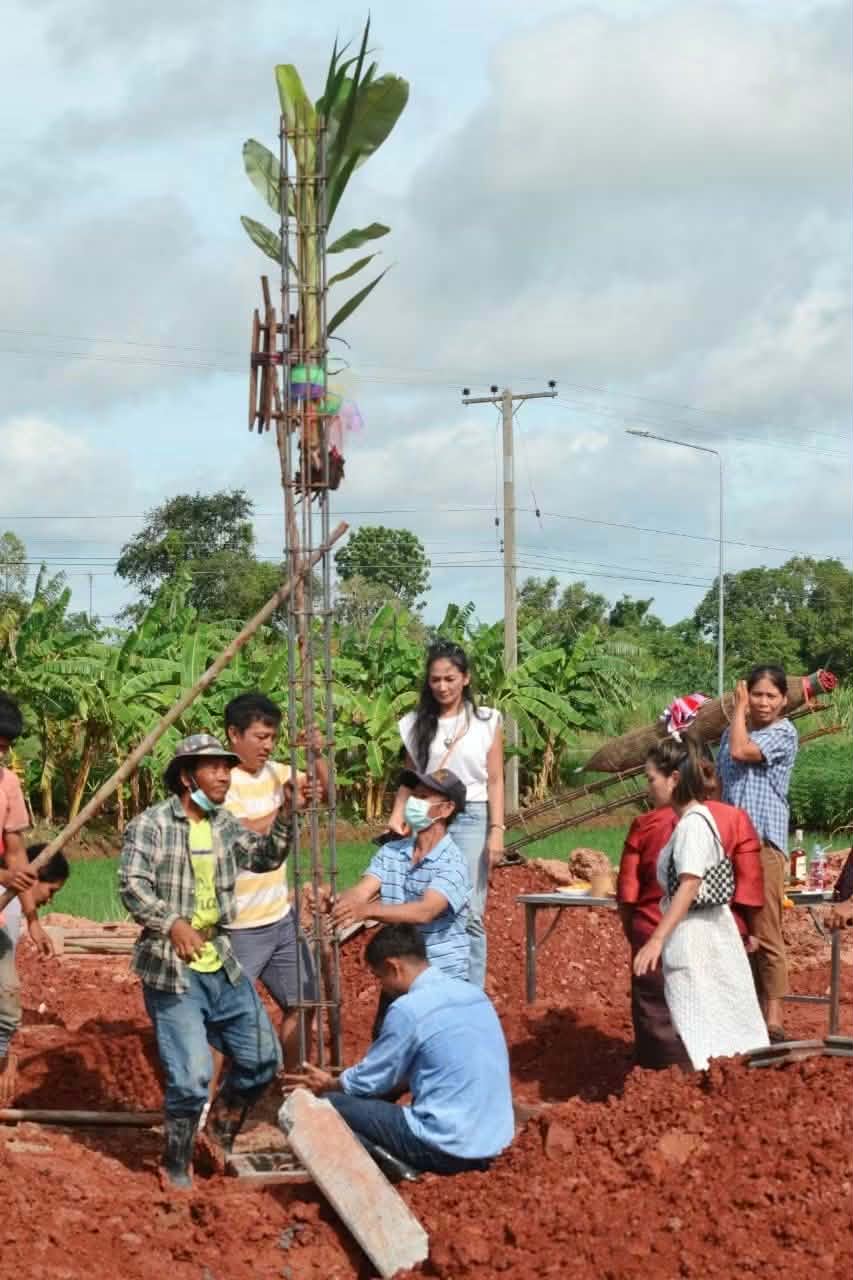
1. Items for tying to Sao Haek and Sao Khwae: Banana shoots (symbolizing offspring and extended family), sugarcane shoots (symbolizing sweetness in married life and family), banana leaves, colored silk cloth or "pha khao ma" (traditional Northeastern Thai cloth), and auspicious leaves such as khun leaves (cassia fistula) and yo leaves.
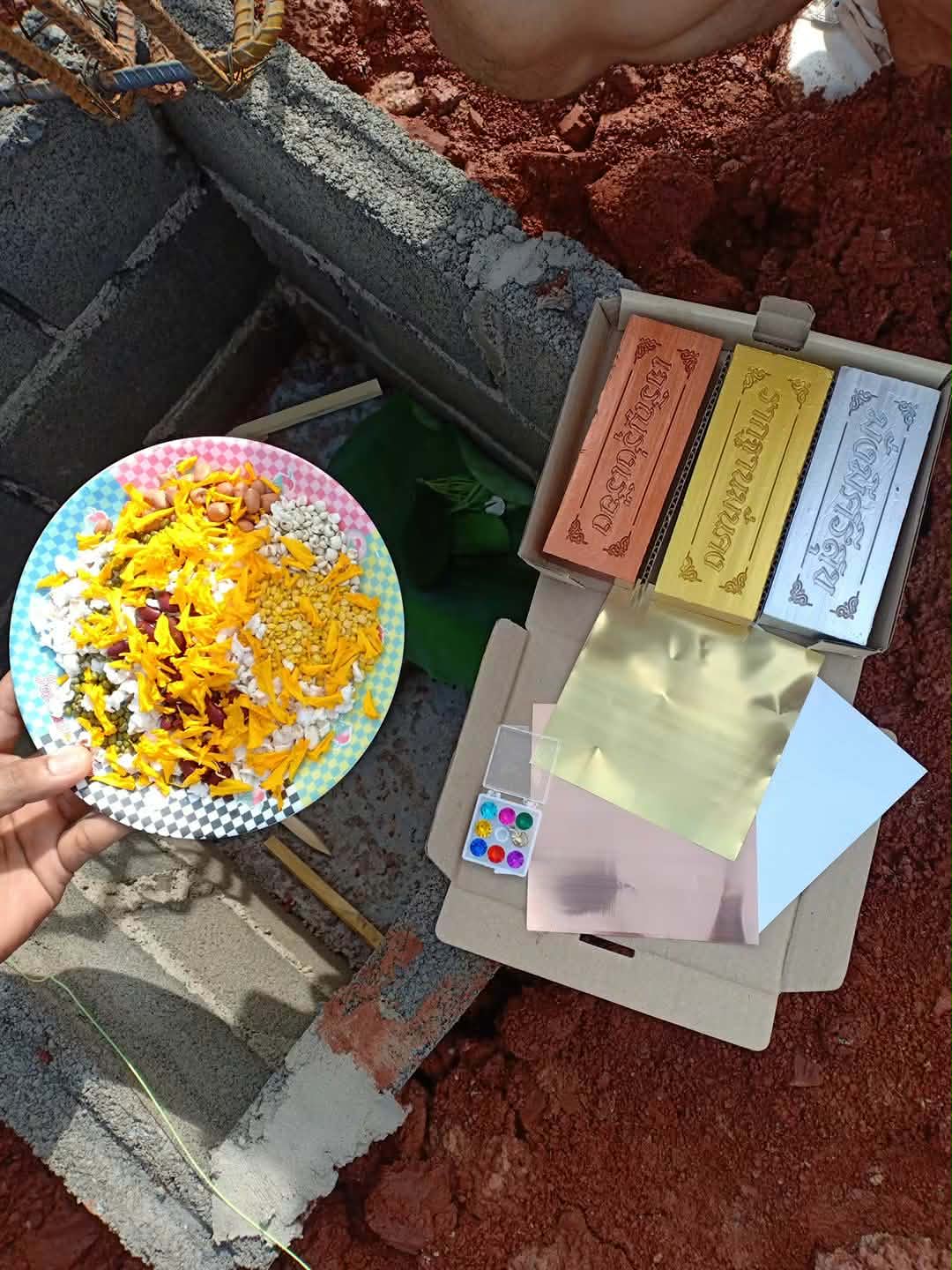
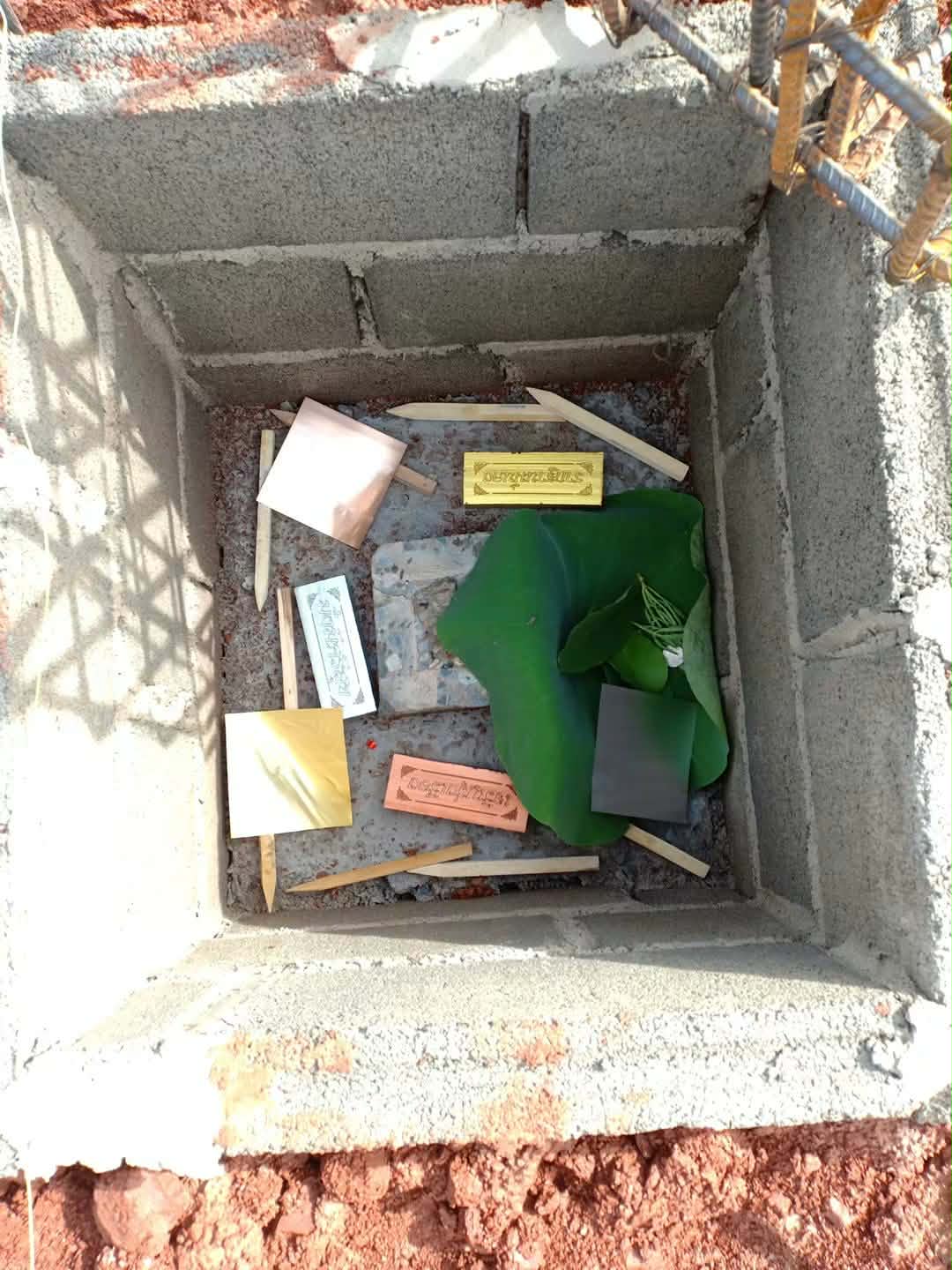
2. Items for the bottom of the holes: Silver, gold, naga (or silver and gold sheets), and nine silver and gold coins, as a tradition to call forth wealth and abundance from the very foundation.
3. Offering tray (Khan Ha or Khan Paet): Incense, candles, flowers, holy water bowl, auspicious fruits, and savory and sweet foods according to local tradition, for the ceremony to inform the guardian spirits and Mae Thorani.
3. Steps of the Sao Haek Sao Khwae Raising Ceremony
When the auspicious time arrives, the mo sut (local Brahmin priest) or Buddhist monks will begin conducting the ritual in the following order:
1. Informing and asking forgiveness ceremony: The mo sut will perform chants to invite deities, inform the local spirits, and ask forgiveness from Mae Thorani for using the land to build the house.
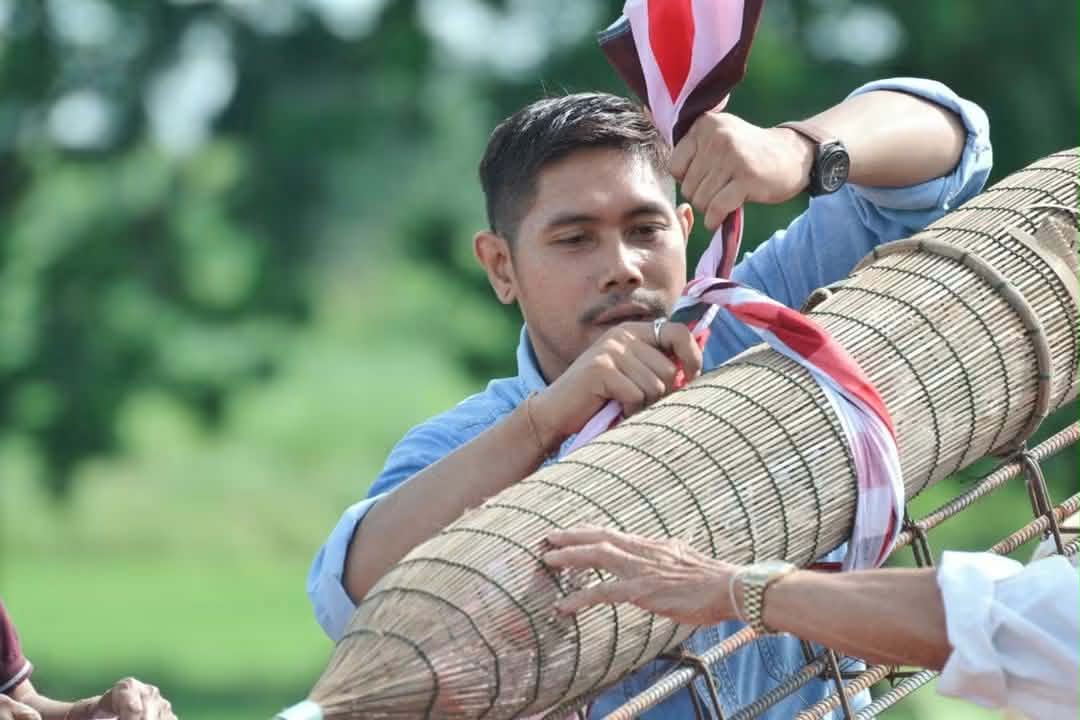
2. Tying auspicious items: Banana shoots, sugarcane shoots, and colored silk cloth are tied firmly to the base of Sao Haek and Sao Khwae.
3. Placing auspicious items at the bottom of the holes: The homeowner will sprinkle silver sheets, gold sheets, and auspicious coins into the bottom of the pillar holes, while chanting prayers for wealth and tranquility.
4. Raising the pillars upright (the climax): When the auspicious moment arrives, the homeowner, relatives, and craftsmen will together grasp the base of the pillar to ceremonially raise Sao Haek into the hole. At this moment, all participants will together shout "Hiu...Lehiu" three times for victory, while the monks or mo sut chant the Jayamangala Gatha (Chayanto) simultaneously.
5. Tying the sacred thread and receiving blessings: When both pillars are firmly set, a sacred thread is strung around the area, and a wrist-tying ceremony is performed for the homeowner for auspiciousness.
Conclusion
The Sao Haek Sao Khwae raising ceremony according to Northeastern Thai tradition is not merely a matter of belief and superstition. It is also ancient wisdom that helps create peace of mind, unity among relatives who come together in collective effort, and an important milestone reminding us that "this new house is beginning with auspiciousness and the love of everyone in the family."
Related posts
 Ram Phi Fa of Ban Nong Chim
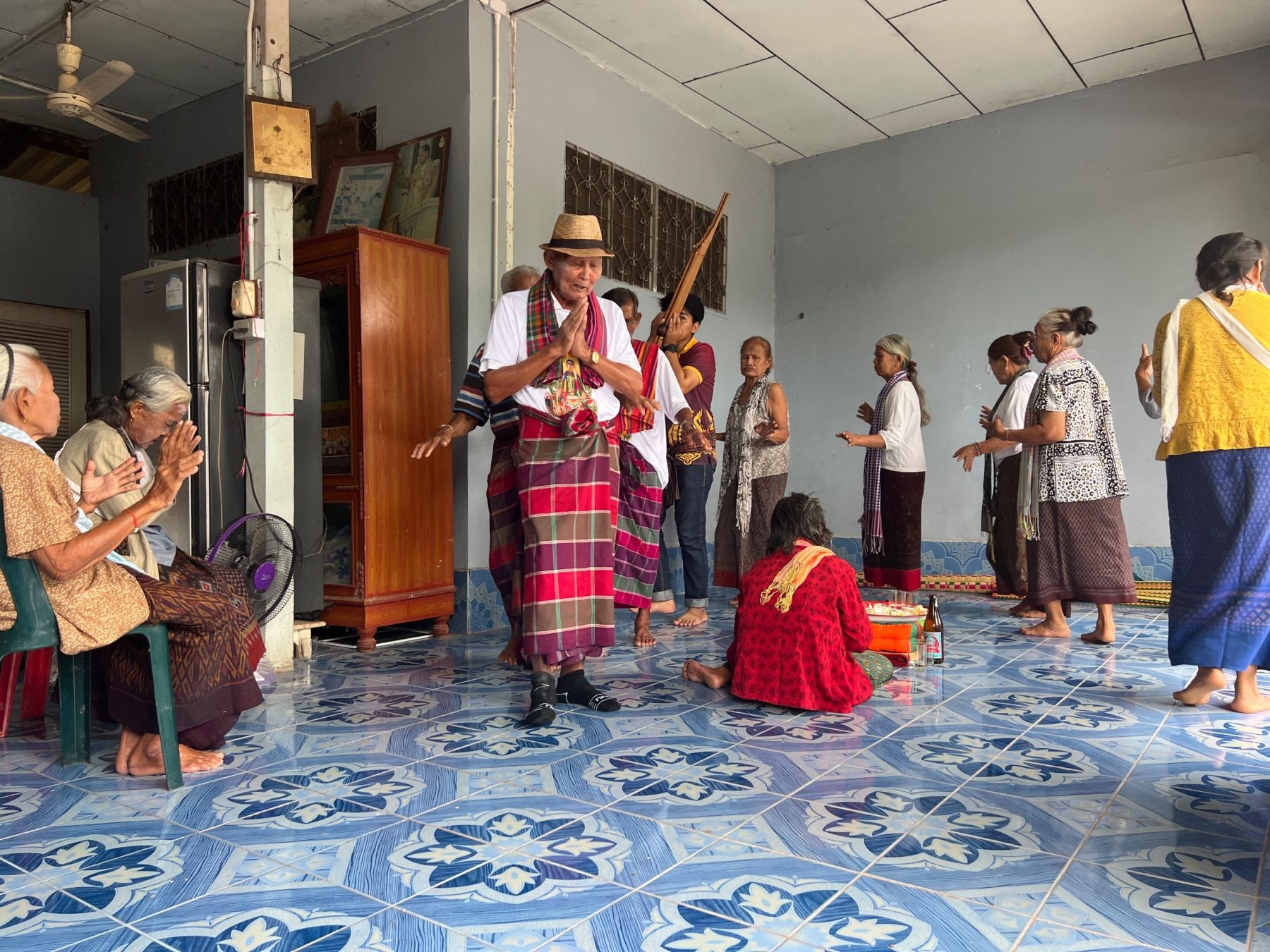
It is believed that physical or mental illness results from violating taboos or disrespecting sacred things. A ritual dance is performed to invite the Phi Fa (s…
 Taeng Kae
 is a merit-making ritual according to the traditional beliefs of the Isan people, to ward off misfortune, illness, or obstacles in life, and to enhanc…
Share this story
12 more photos below