Festivals · Traditions
Khao Pradap Din
Festivals · Traditions
Khao Pradap Din
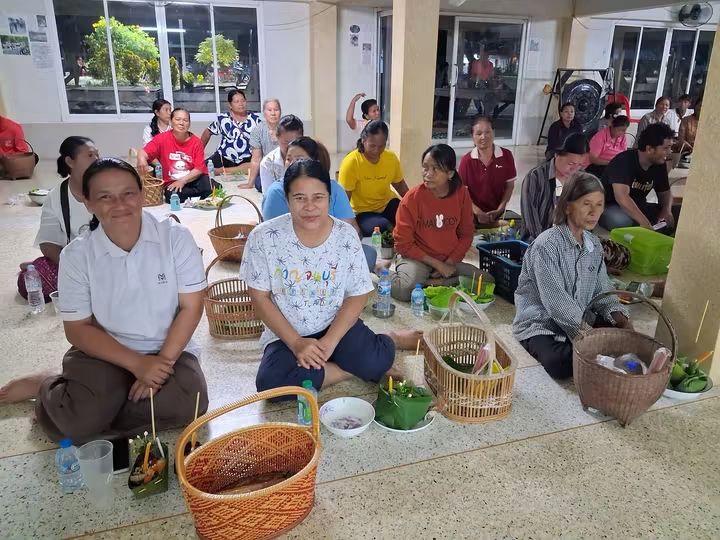
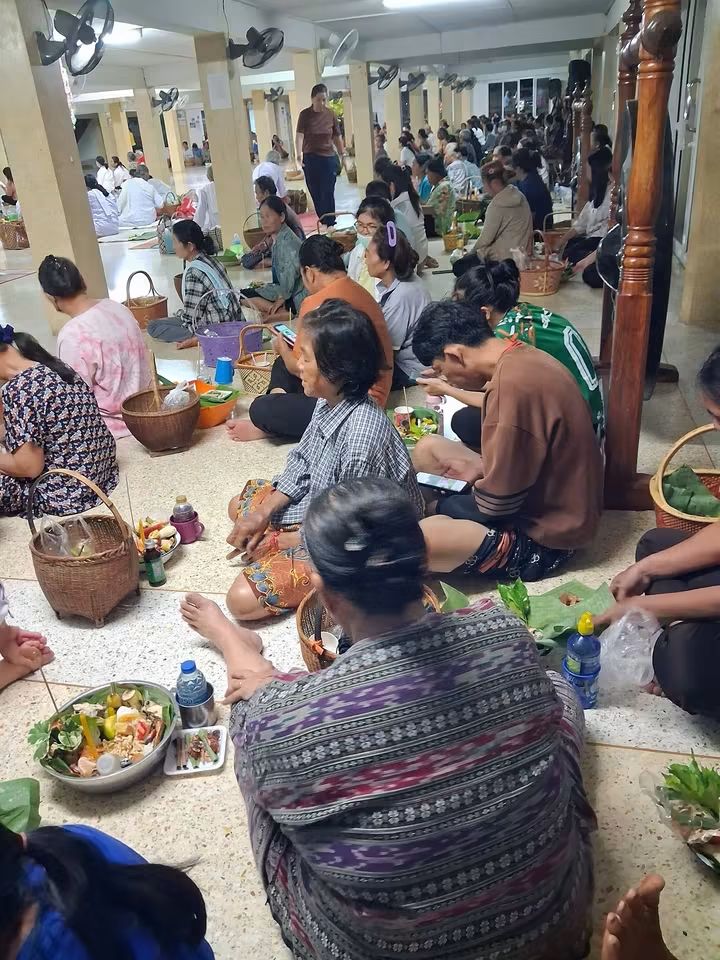
🙏 Our village tradition "Bun Hor Khao Pradap Din"
Let me tell you like this, in our home
"Kham Wae Hor Khao Pradap Din" — the recitation for offering Khao Pradap Din, as it has been done
(Recite Namo Tassa three times, then say:) "Imasming arame me imani sadhu sapeerasani. Satambhalani sabidamarda samiphraya buttri buttra maranani. Thammachetiya phodhirukkha bucha sananthaya."
"We have all come together to this monastery, in order to dedicate rice, water, savory and sweet foods, betel nut, and tobacco, to be dedicated to our deceased parents, spouses, sons and daughters. May they come and rejoice in the merit and goodness that we are performing here." (Or one may recite in one's own words.)
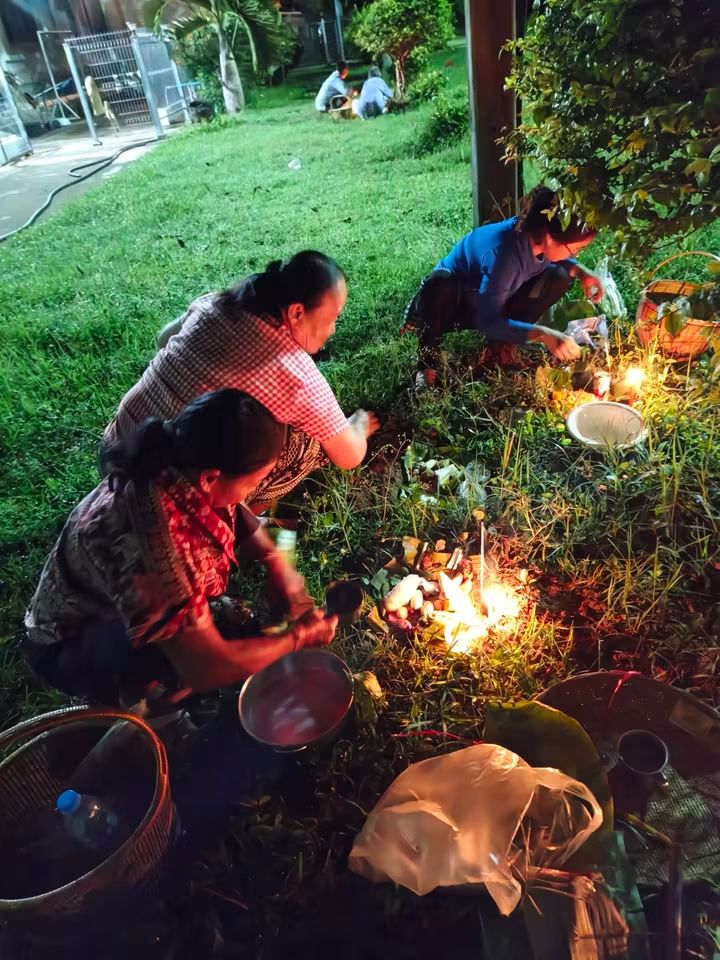
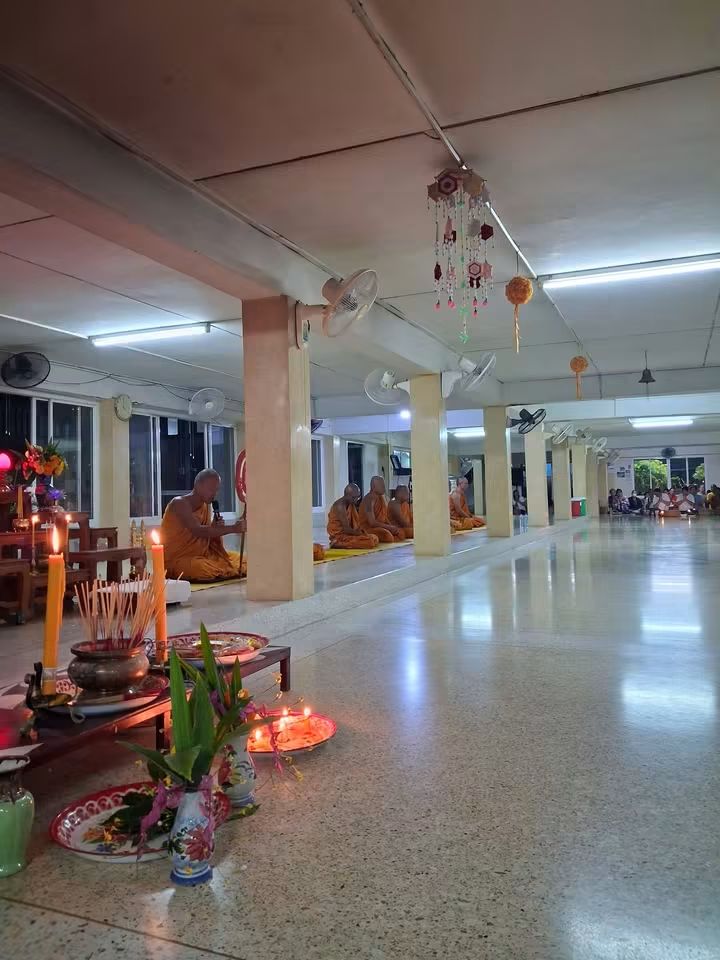
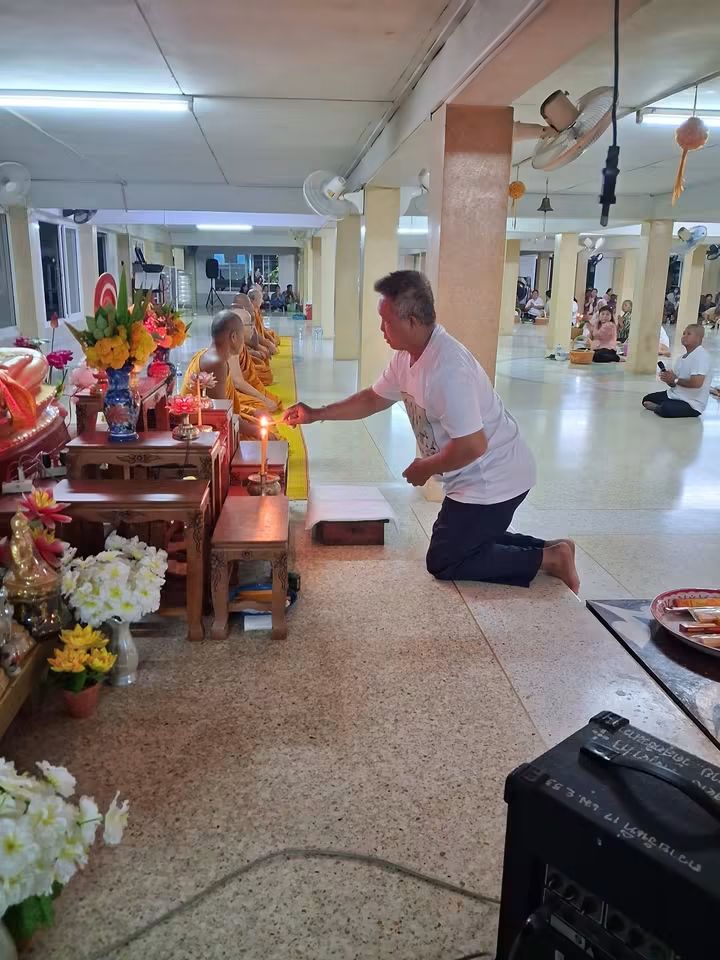
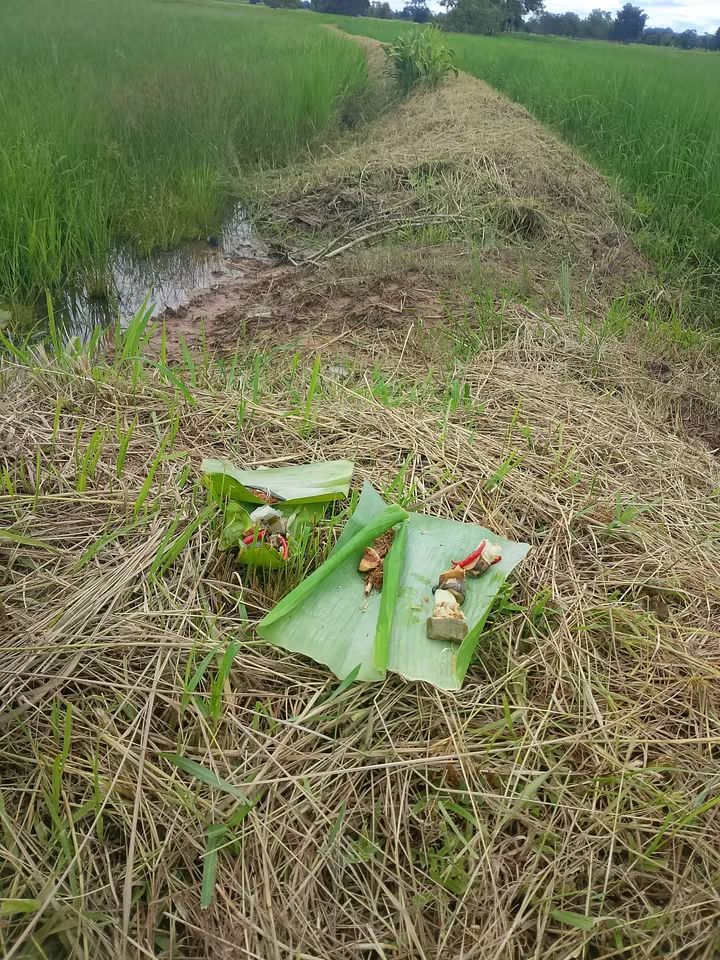
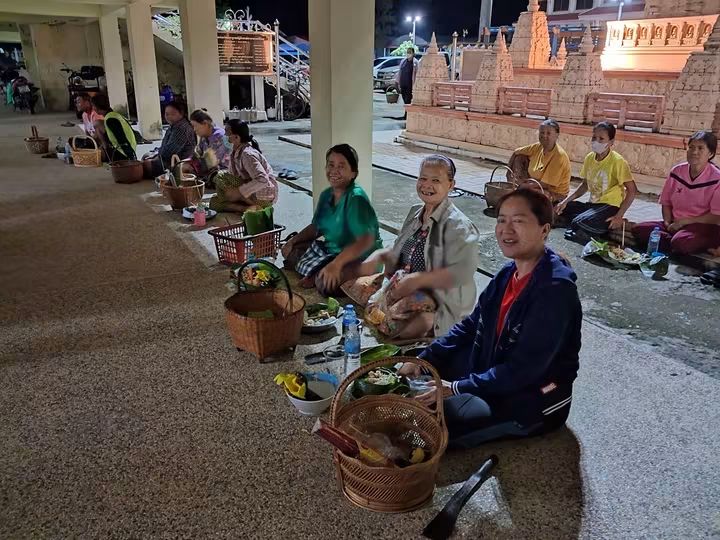
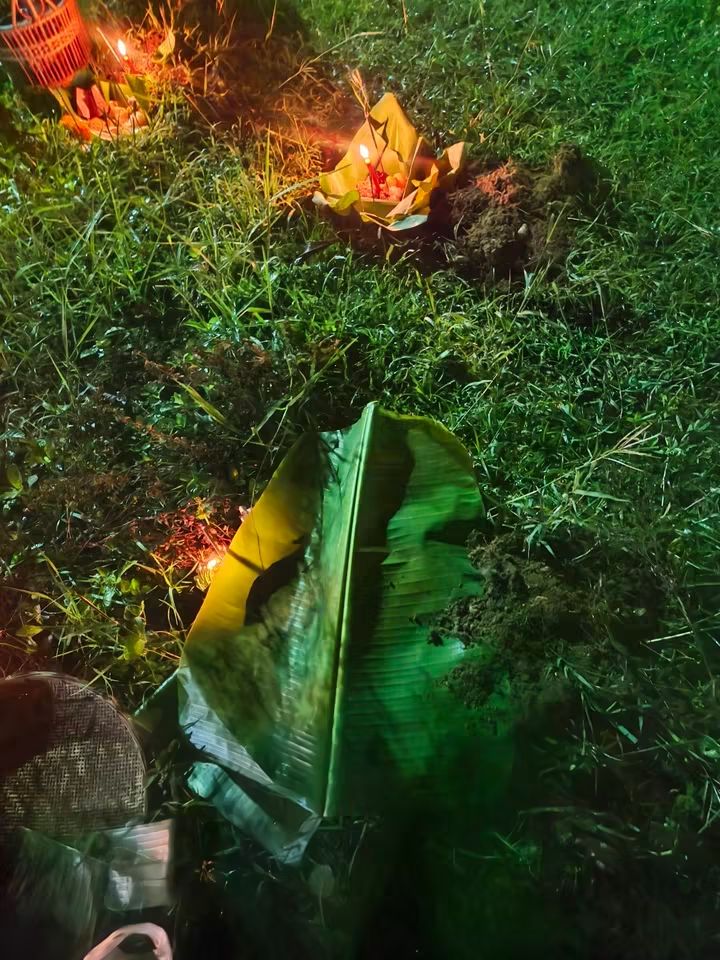
🙏 Making merit in the ninth lunar month, "Khao Pradap Din," is one tradition among the Twelve Traditions (Hit Sip Song). It is commonly practiced on the waning moon, 14th night of the ninth lunar month, also called "Bun Duean Kao" or "Bun Khao Pradap Din." This merit-making is done to dedicate merit to pretas (in some Isan dialects called "phet") or to relatives and friends who have passed away. Khao Pradap Din consists of rice and savory and sweet foods, along with betel nut, tobacco wrapped in banana leaves, and bananas, which are placed under trees, hung from branches, along temple walls (ancient Isan people called temple walls "tai wat"), or laid on the ground — these are called "hor khao noi." At the same time, the spirits of relatives are invited, food is offered to monks and novices, and merit is dedicated to the deceased by pouring water (krat nam) as well.
That villagers bring rice and food to place around the temple, along walls, or tied to branches, believing that relatives who have been released from hell may come to eat on this dark moon day — whether this is possible or not is beyond our ability to directly confirm whether those relatives truly receive it.
🍀 Yai Khao Pradap Din
Making merit of Khao Pradap Din is one tradition among the Twelve Traditions, commonly practiced on the waning moon, 14th night of the ninth lunar month, also called **Bun Duean Kao, Bun Khao Pradap Din.** This merit is made to dedicate merit to pretas (in some Isan dialects called "phet") or relatives and friends who have passed away. Khao Pradap Din consists of rice and savory and sweet foods, along with betel nut, tobacco wrapped in banana leaves, and bananas, which are placed under trees, hung from branches, along temple walls, or laid out on the ground — this is called "yai hor khao noi" ("yai" in Isan language means placing at intervals). At the same time, the spirits of relatives are invited, food is offered to monks and novices, and merit is dedicated to the deceased by pouring water (krat nam) as well.
As for the portion dedicated to deceased relatives, it will be wrapped smaller than other portions. The wrapping method is: use banana leaves sized like a palm, as long as the full length of the cut banana leaf section. Savory and sweet foods are arranged in small amounts, such as:
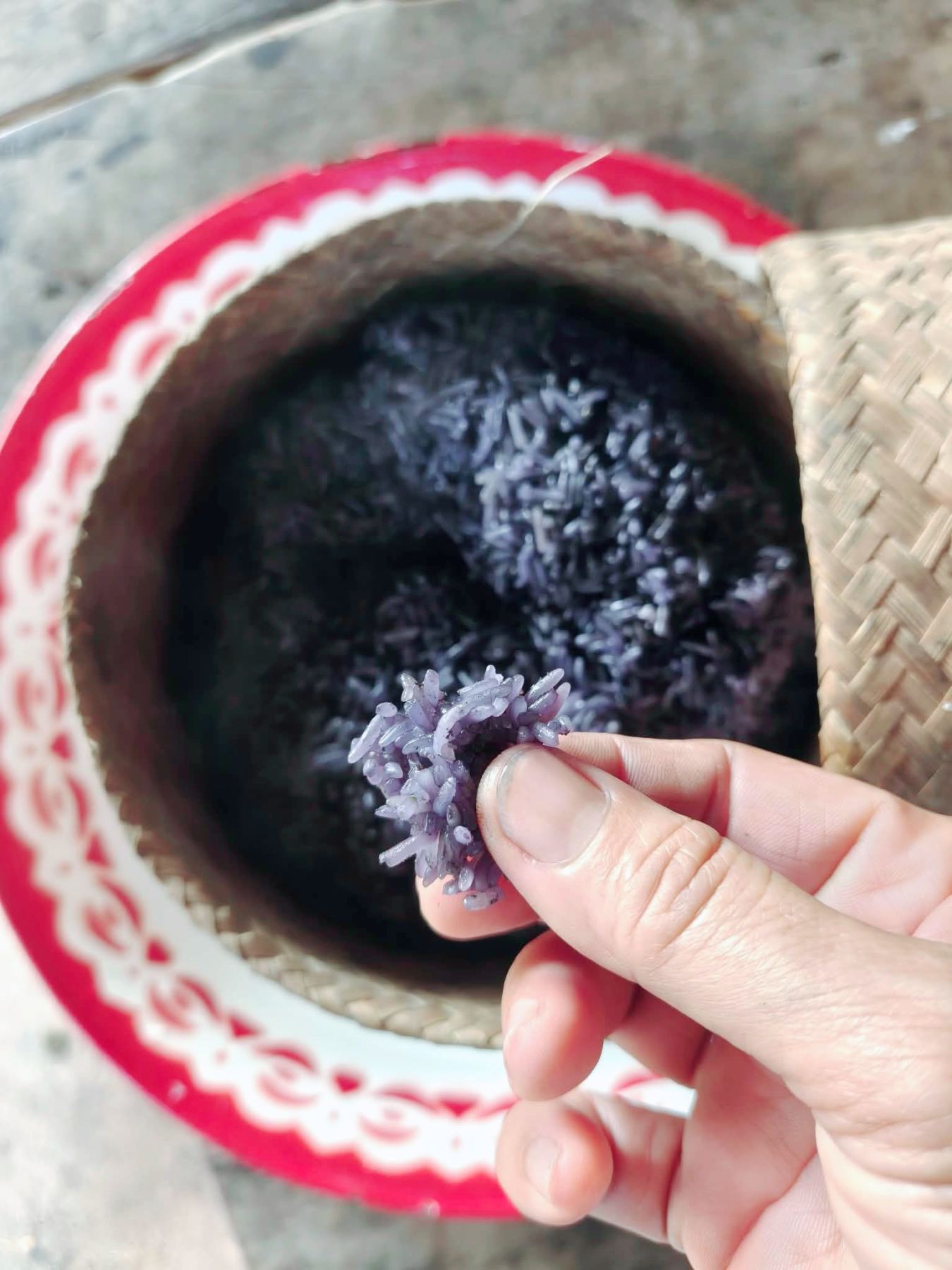
Steamed sticky rice, formed into small balls the size of a thumb, 1 piece
Fish meat, chicken meat, pork meat, or savory foods available locally
Sweet foods such as bananas, custard apples, ripe papayas, or other sweets available or obtainable, possibly pieces of sugar cane or palm sugar
Betel nut, tobacco, and miang, one piece each
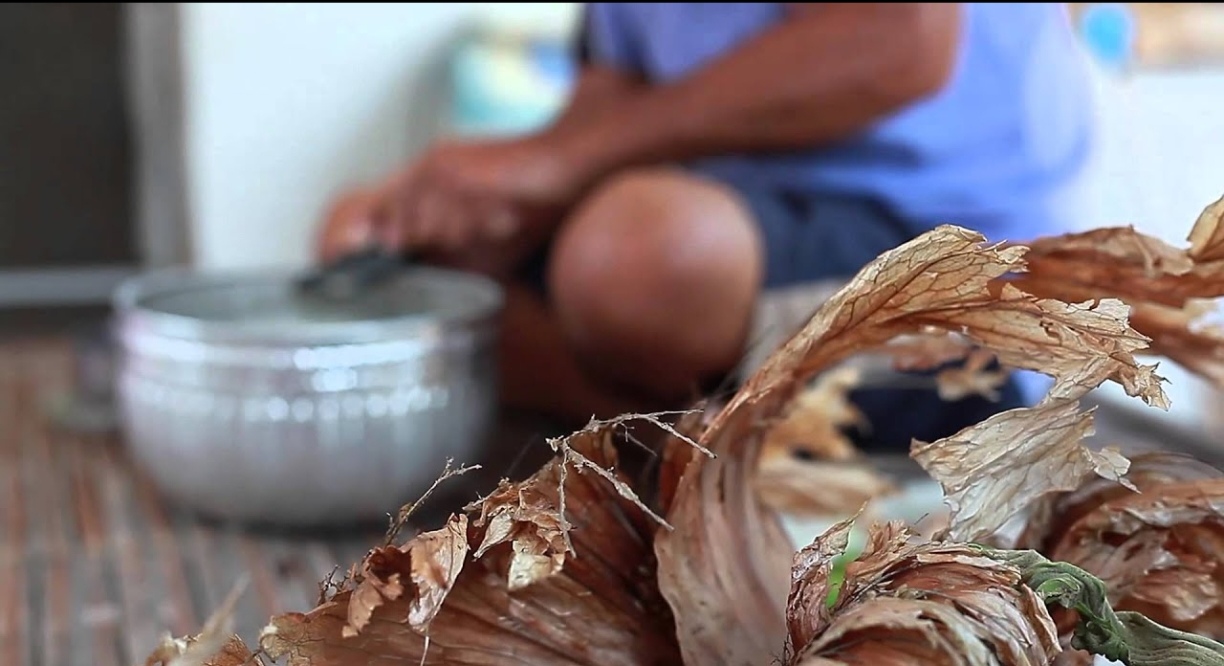
Wrap the rice and savory and sweet foods in banana leaves, then secure with wooden picks at both ends and in the middle. We then get long, slender hor khao noi following the grain of the banana leaf, 1 packet. Another packet will be betel nut, tobacco, and miang, wrapped in the same manner to get a betel nut packet. After that, both are tied together in pairs, then gathered into bunches — with 1 bunch containing 9 betel nut packets. But some people also use banana leaves sewn into krathong, or if not separated, all savory and sweet foods, betel nut, and tobacco may be placed in one packet or krathong together.
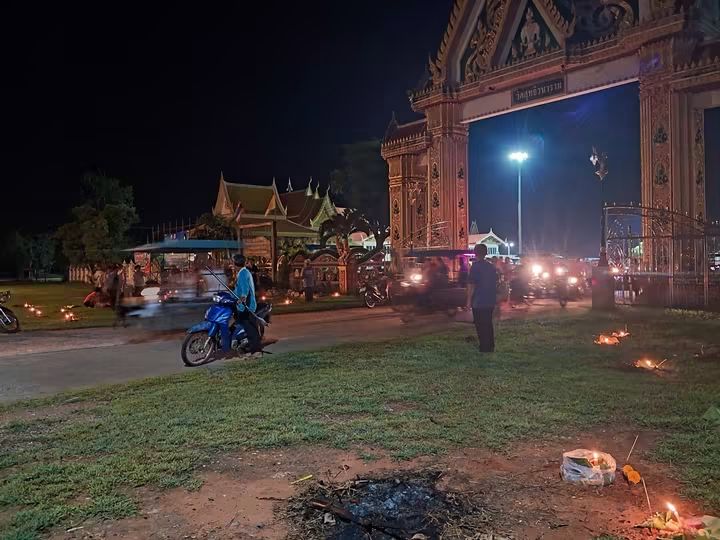
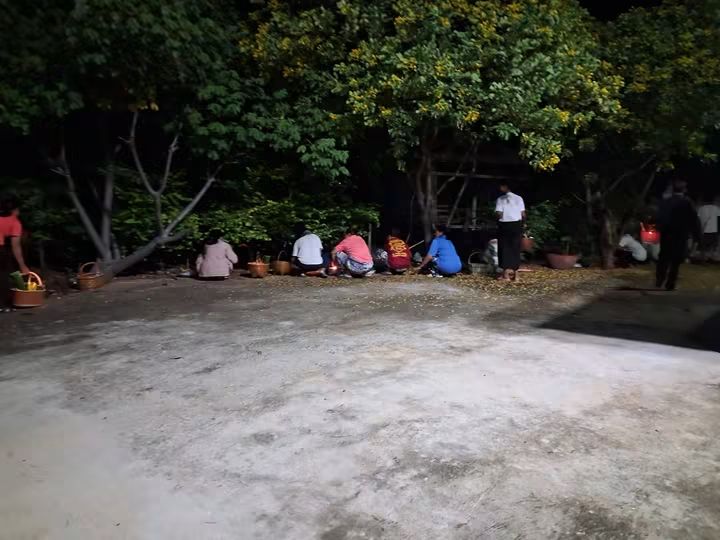
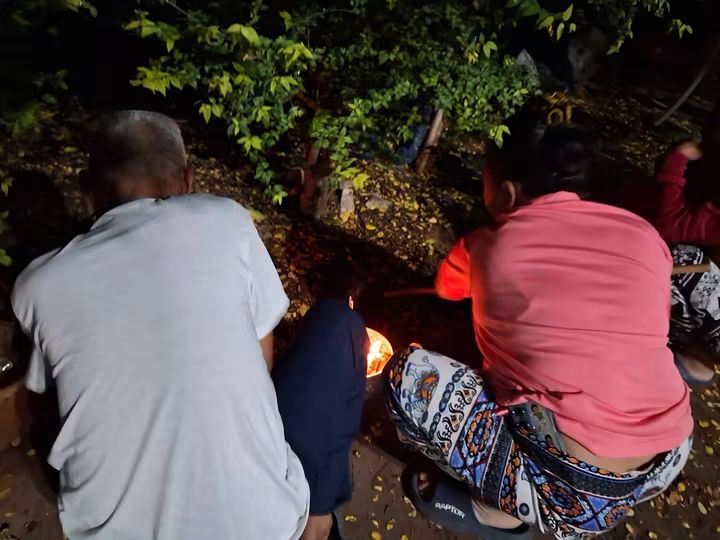
Come early the next morning, the waning moon 14th night of the 9th month, in the dark predawn hours, approximately 4 to 6 o'clock, villagers bring the wrapped and bunched or krathong-contained food, betel nut, and tobacco to lay on the ground, distribute around the ubosot, bodhi trees, pavilions, branches or large trees within the temple grounds. Villagers do this quietly, without any drumming or gong striking, while lighting candles and informing the pretas to come receive the items and merit.
💚 Sadhu 🙏 Ban Nong Chim 💚
Related posts
 Yai Khao Sak, or the Placing of Khao Sak Parcels
🍀 I should mention that our village still preserves this tradition. 🌾 Yai Khao Sak, or the "yai" (placing) of khao sak parcels, is the preparation and placement…
Yai Khao Sak, or the Placing of Khao Sak Parcels
🍀 I should mention that our village still preserves this tradition. 🌾 Yai Khao Sak, or the "yai" (placing) of khao sak parcels, is the preparation and placement…
 Khao Tom Mat
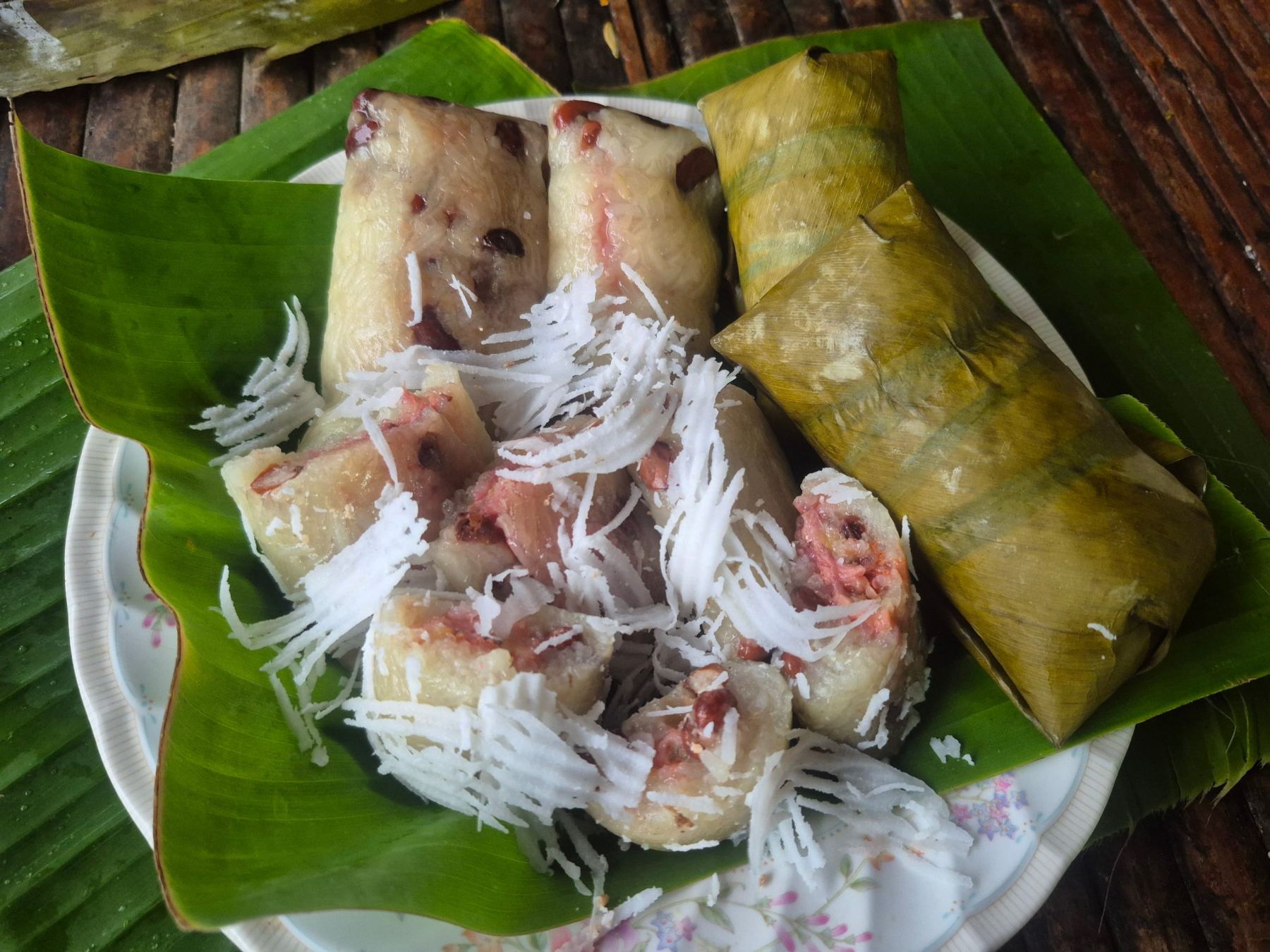
"Ancient Khao Tom Mat of Nong Chim People" We, the people of Nong Chim, have ancient khao tom mat, which is sticky rice mixed with black beans with banana filli…
Khao Tom Mat
"Ancient Khao Tom Mat of Nong Chim People" We, the people of Nong Chim, have ancient khao tom mat, which is sticky rice mixed with black beans with banana filli…
Share this story
12 more photos and a map below


Place